
Why Does Hair Turn Gray? Can You Prevent It?
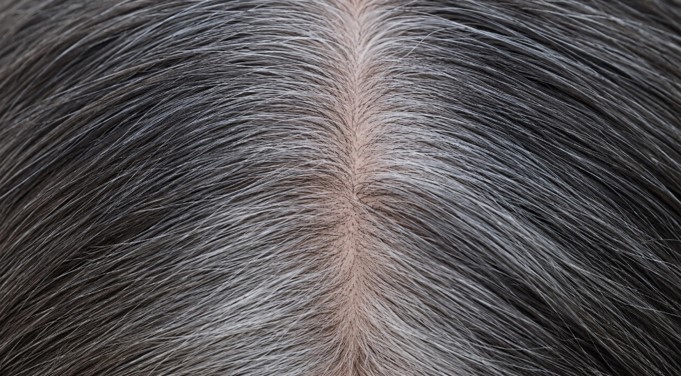
Gray hair is a normal part of aging. Most people notice their first gray hairs in their 30s or 40s, although genetics, stress, smoking, and certain medical conditions can cause it to appear earlier.
Hair gets its color from melanin, a natural pigment made by cells in the hair follicle. As we age, these cells produce less melanin, causing hair to gradually turn gray, silver, or white.
What Causes Premature Gray Hair?
Although aging is the most common cause, several factors can make hair turn gray earlier than expected.
Genetics
Your genes play the biggest role. If your parents developed gray hair early, you are more likely to as well.
Stress
Long-term emotional stress may speed up graying by affecting the cells responsible for producing hair pigment.
Smoking
Smoking has been linked to premature gray hair and may damage the cells that produce melanin.
Vitamin & Nutritional Deficiencies
Low levels of certain nutrients can contribute to early graying, including:
- Vitamin B12
- Iron
- Copper
- Folate
- Vitamin D
Medical Conditions
Some autoimmune and thyroid disorders may also affect hair pigmentation.
Can Gray Hair Be Reversed?
For most people, age-related gray hair cannot be reversed because the pigment-producing cells gradually stop functioning.
However, if graying is caused by an underlying condition—such as a vitamin deficiency or thyroid disorder—treating that problem may help slow further graying.
Can You Prevent Gray Hair?
You can’t completely prevent gray hair, but healthy lifestyle habits may help delay premature graying.
Healthy habits include:
- Eating a balanced, nutrient-rich diet
- Managing stress
- Getting enough sleep
- Avoiding smoking
- Protecting your hair and scalp from excessive sun exposure
- Treating vitamin deficiencies or medical conditions when present
Should I Pluck Gray Hairs?
It is best not to pluck gray hairs. Repeated plucking can damage the hair follicle and contribute to thinning over time. The hair that grows back will usually still be gray.
Can Hair Dye Help?
Yes. Hair dye is the most effective cosmetic option for covering gray hair.
Options include:
- Permanent dyes for long-lasting coverage
- Semi-permanent dyes for a softer, temporary change
- Natural dyes such as henna, which are gentler but fade more quickly
If you have sensitive skin or allergies, speak with your provider before using hair coloring products.
Frequently Asked Questions
At what age does hair usually turn gray?
Most people begin noticing gray hair in their 30s or 40s, although genetics greatly influence when it starts.
Does stress cause gray hair?
Chronic stress may accelerate graying, but it is usually only one of several contributing factors.
Can vitamins reverse gray hair?
Only if graying is related to a vitamin deficiency. Age-related gray hair is generally permanent.
Does smoking make hair gray?
Yes. Smoking has been associated with earlier graying and can damage pigment-producing cells.
Is gray hair unhealthy?
No. Gray hair is a normal part of aging and does not mean your hair is unhealthy.
Safer Hair Dyes: What You Need to Know Before Coloring Your Hair
Hair coloring is a great way to cover gray hair or change your look, but not all hair dyes are equally safe. Many permanent hair dyes contain chemicals that can irritate the scalp or cause allergic reactions. If you color your hair regularly, choosing gentler products may help protect both your hair and scalp.
What Is PPD?
Para-phenylenediamine (PPD) is a common ingredient in permanent hair dyes, especially dark shades. It provides long-lasting color but is also the leading cause of hair dye allergies. Some people develop an allergy even after years of using hair dye without problems.
Symptoms of a PPD Allergy
- Itching or burning of the scalp
- Redness, swelling, or rash
- Blisters or oozing skin
- Scalp irritation
- Hair breakage from severe inflammation
In rare cases, PPD can cause a severe allergic reaction requiring emergency medical care. Once a PPD allergy develops, it is usually permanent.
Other Ingredients to Watch For
Some hair dyes also contain:
- Ammonia – can dry and irritate the hair and scalp
- Resorcinol – may cause skin irritation or allergies
- Hydrogen peroxide – may weaken hair with repeated use
- Fragrances – another common cause of allergic reactions
Note: Some products labeled “PPD-free” contain PTD (para-toluenediamine), a related chemical that may still trigger reactions in people with a PPD allergy.
Plant-Based Hair Dyes
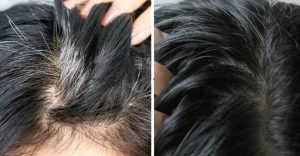
Plant-based hair dyes contain fewer harsh chemicals and are often a gentler choice for people with sensitive scalps.
Henna
Made from the Lawsonia inermis plant, pure henna naturally colors and conditions the hair.
Benefits
- PPD-, ammonia-, and peroxide-free
- Conditions and strengthens hair
- Gentle on sensitive scalps
Limitations
- Produces reddish-brown tones
- Cannot lighten hair
- Difficult to remove
Avoid “Black Henna.” It often contains PPD, which can cause severe allergic reactions.
Examples of Henna hair dyes:
Pure Henna – Red to auburn tones
Henna + Indigo – Brown to black shades
Cassia – Conditioning with a light golden tint
Black Walnut Hull Dye – Natural medium to dark brown tones
Indigo
Often mixed with henna to create natural brown or black shades without traditional chemical dyes.
Cassia
Also known as neutral henna, cassia conditions the hair and may add a soft golden tint to lighter hair.
Walnut-Based Hair Dyes
Made from black walnut hulls, these dyes naturally darken hair and help blend gray strands.
Benefits
- Plant-based and PPD-free (pure formulations)
- Free of ammonia and peroxide
- Gentle on the scalp
- Adds natural color and shine
Limitations
- Best for brown or black hair
- Cannot lighten hair
- Fades gradually and may require repeat applications
Note: Avoid walnut-based dyes if you have a tree nut allergy unless your healthcare provider advises they are safe.
Examples of Walnut-Based Hair Dyes
- Logona Herbal Hair Color – Walnut Brown
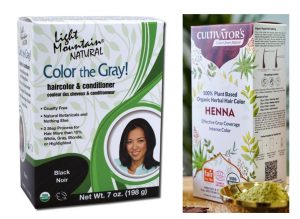
- Light Mountain Natural Hair Color
- Cultivator’s Organic Herbal Hair Color
- Herbatint (selected shades)
Tips for Safer Hair Coloring
To reduce your risk of irritation:
- Always perform a patch test before using a new dye.
- Follow the manufacturer’s directions.
- Wear gloves during application.
- Avoid coloring irritated or broken skin.
- Rinse thoroughly after coloring.
- Space out coloring treatments when possible.
- Stop using the product if you develop itching, swelling, burning, or a rash.
Frequently Asked Questions
Is PPD linked to cancer?
Current research has not found consistent evidence that personal hair dye use significantly increases cancer risk. The greatest concern with PPD is allergic contact dermatitis, not cancer.
Are ammonia-free hair dyes safer?
They are often gentler on the hair and scalp, but they may still contain other ingredients capable of causing allergic reactions.
What is the safest hair dye?
For most people, pure henna, indigo, cassia, and walnut-based hair dyes are among the gentlest options because they are naturally derived and free of PPD and ammonia.
Can people with eczema use hair dye?
Yes, but choose products carefully, perform a patch test first, and consider plant-based dyes if you have sensitive skin.
Should I stop using hair dye if I become allergic?
Yes. Once a true PPD allergy develops, continued exposure often causes increasingly severe reactions. Your dermatologist can help identify safer alternatives.
Choose PPD-free, ammonia-free, plant-based hair dyes whenever possible. Henna, indigo, cassia, and walnut-based dyes are generally gentler than permanent dyes. If you develop itching, burning, swelling, or a rash, stop using the product and see your dermatologist.