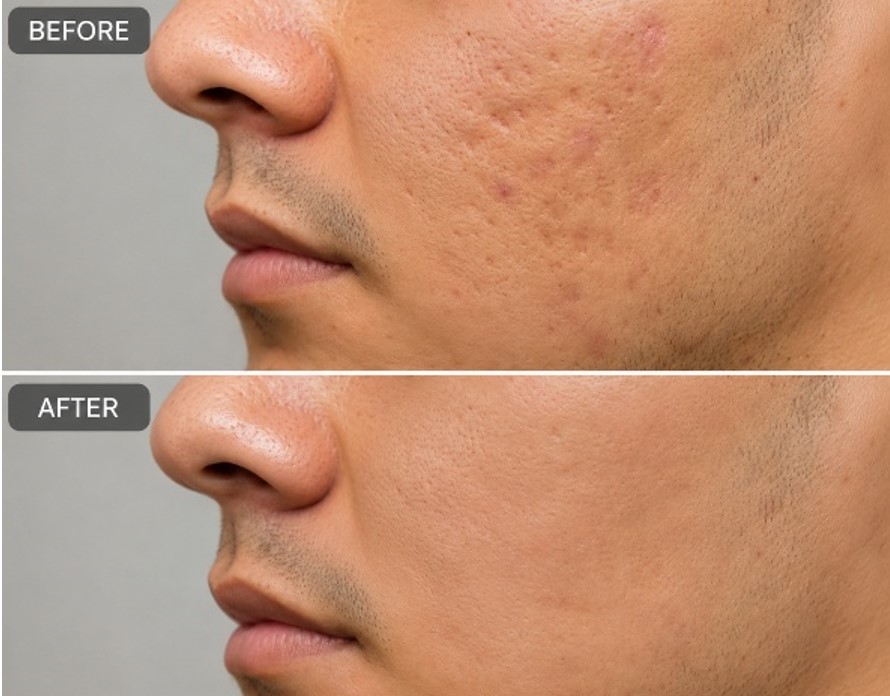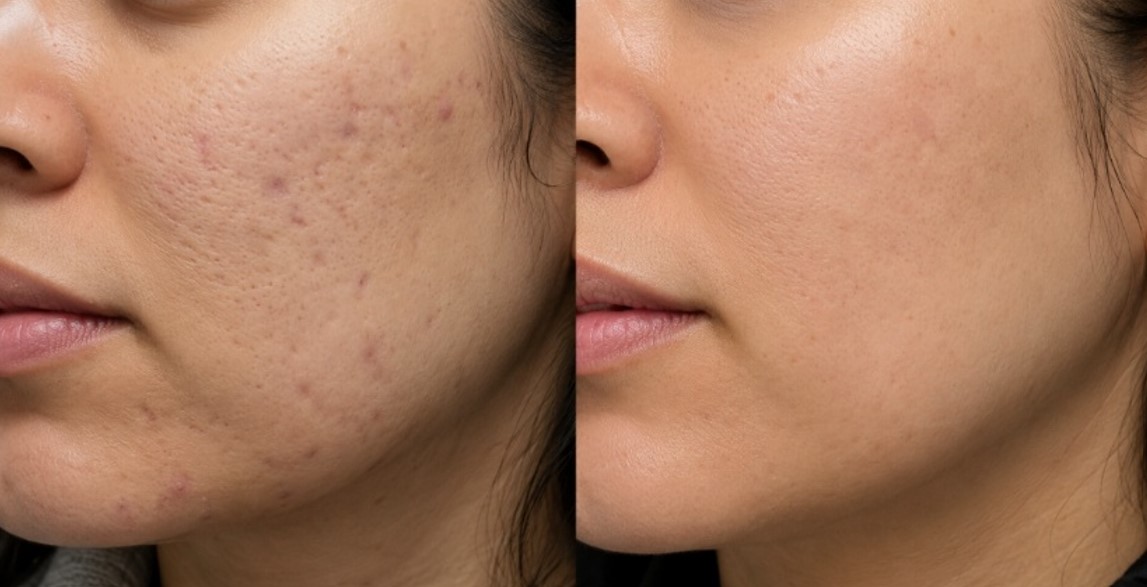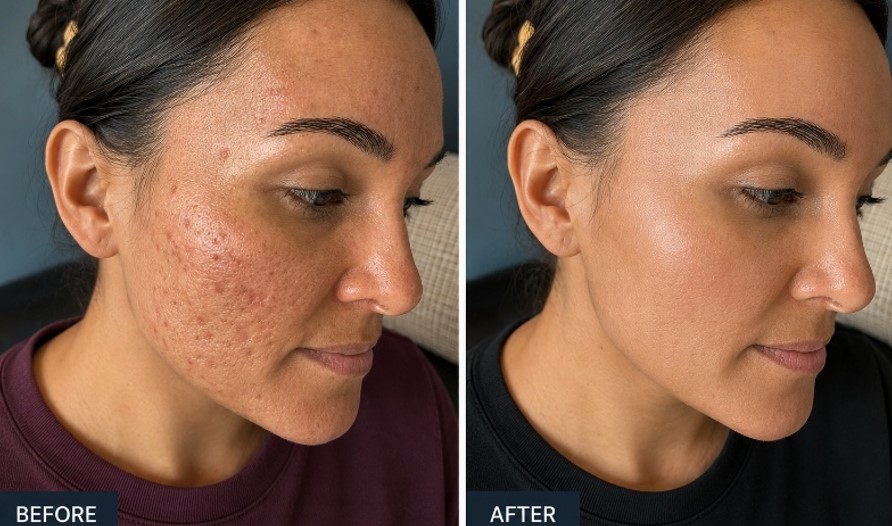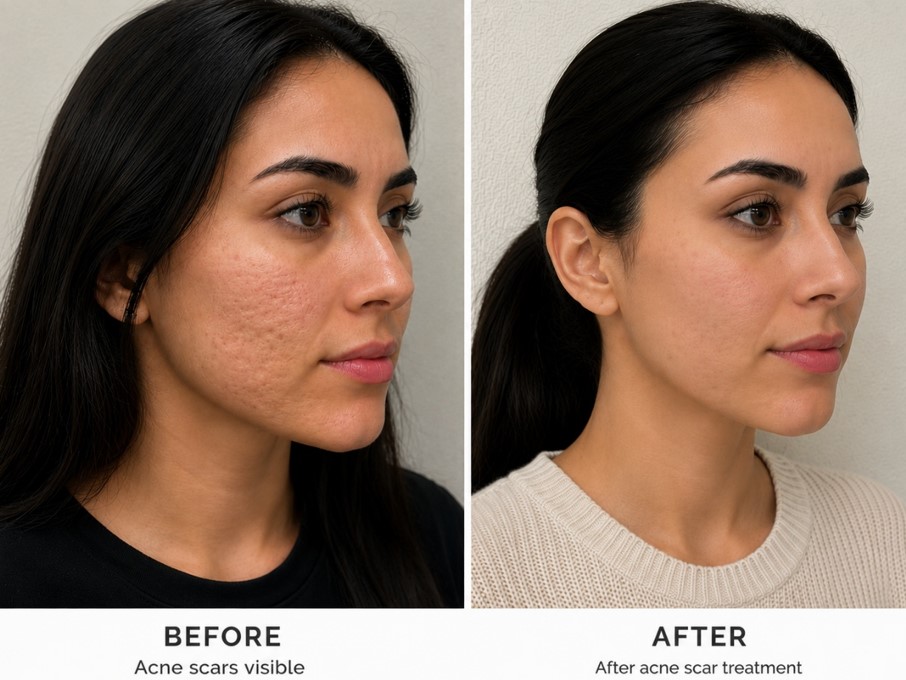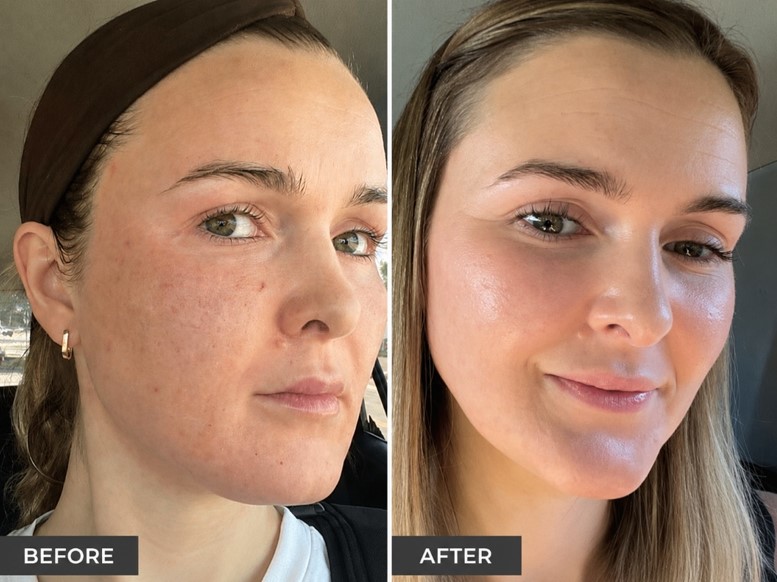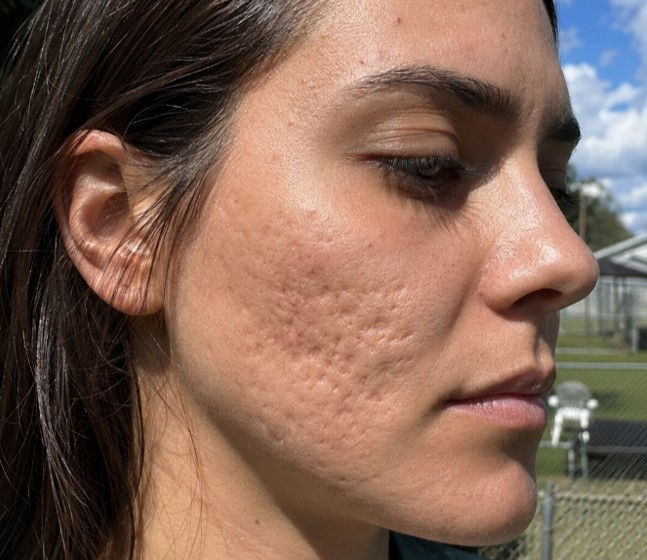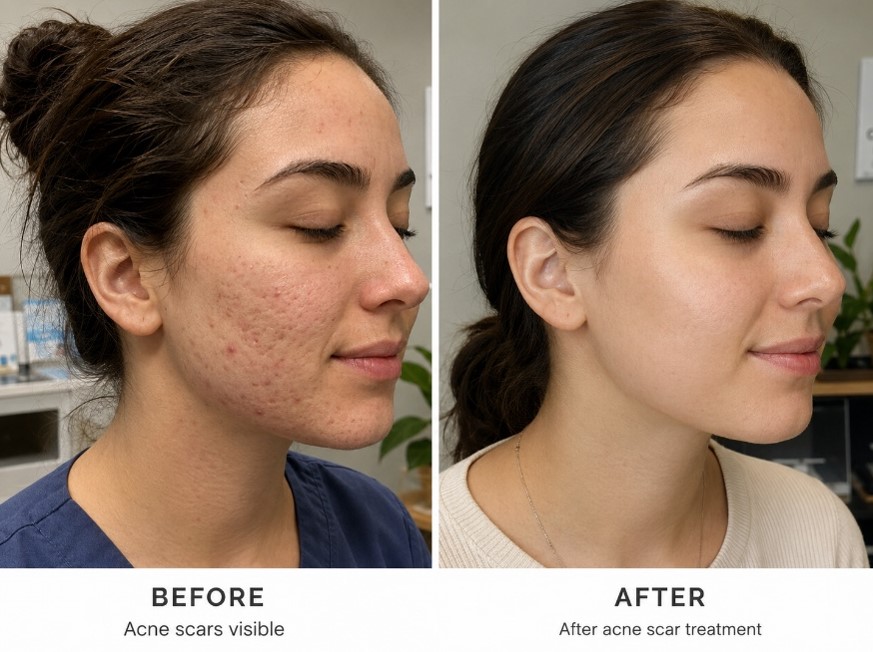
At Aesthetics & Medical Lasers of Colorado – Dermatology, we treat acne as more than just clogged pores. Acne is a chronic inflammatory skin condition driven by hormones, bacteria, skin-barrier damage, microbiome imbalance, and inflammation. Our advanced, evidence-based approach focuses on healing the skin barrier, calming inflammation, and restoring healthy skin biology—not just suppressing breakouts.
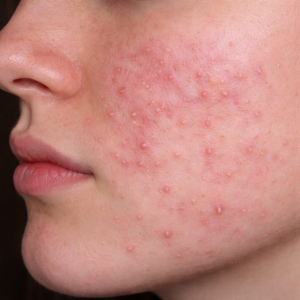
What Is Acne Vulgaris?
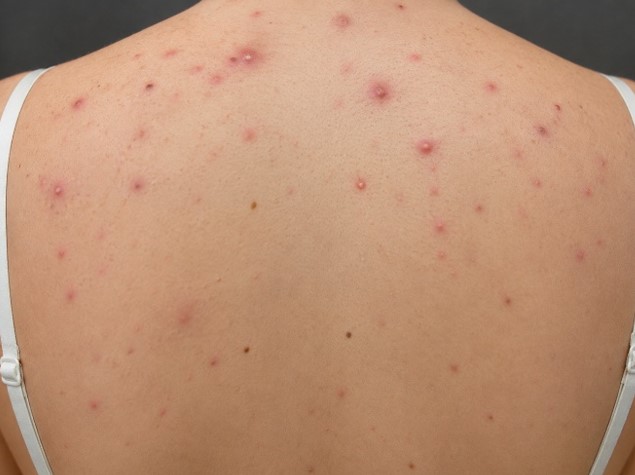
Acne vulgaris is a long-term inflammatory disorder of the pilosebaceous unit (the hair follicle and oil gland). It commonly affects the face, chest, shoulders, and back and can occur at any age.
- Blackheads (open comedones)
- Whiteheads (closed comedones)
- Red bumps (papules)
- Pus-filled bumps (pustules)
- Deep painful lumps (nodules and cysts)
- Scarring
- Dark spots after acne heals (post-inflammatory hyperpigmentation)
2. Clogged Pores (Follicular Hyperkeratinization)
When dead skin cells don’t shed normally, they build up inside pores and create blackheads and whiteheads. Trapped oil and bacteria then cause swelling, redness, and inflammation, making the pore lining rigid and irritated. Once a pore is blocked, it becomes the perfect environment for acne breakouts to develop.
4. Inflammation and Oxidative Stress
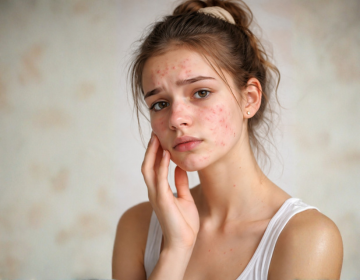
Hormones
- Puberty
- Menstrual cycle changes
- PCOS
- Testosterone or DHT sensitivity
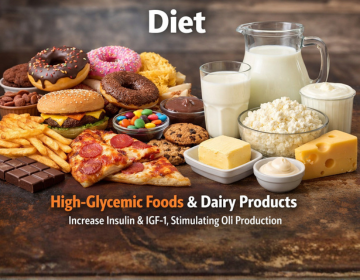
Diet
- High-glycemic foods (sugary and processed carbs)
- Dairy products These increase insulin and IGF-1, which stimulate oil production.

Stress
- Raises cortisol
- Increases oil thickness
- Worsens inflammation
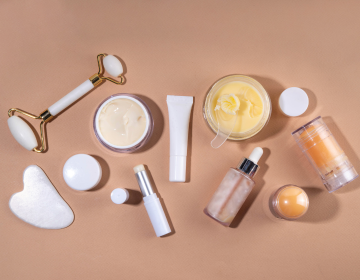
Skincare Products
Some ingredients clog pores and worsen acne (“acne cosmetica”), including:
- Heavy oils
- Squalane
- Cholesterol
- Silicones

Environmental Factors
- Mask wearing
- Tight clothing or helmets
- Pollution
- Humidity
- Friction
- Affects up to 95% of teenagers
- Occurs in 12–54% of adults
- More common in adult women
- About 70–80% of adult acne continues from the teenage years
- 20–40% begins after age 25
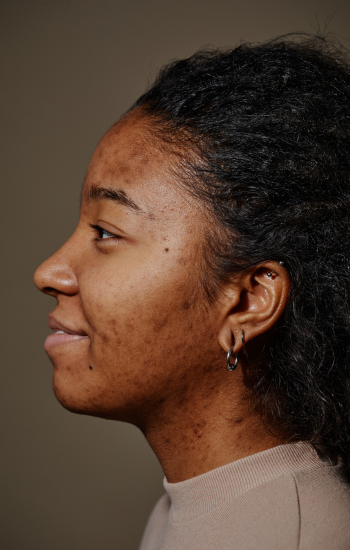
People with darker skin tones have a higher risk of dark marks and scarring, and acne can vary by ethnicity, with more inflammatory acne in Asians and more comedonal acne (blackheads and whiteheads) in Caucasians.
Our Modern, Barrier-First Approach to Acne
At Aesthetics & Medical Lasers of Colorado – Dermatology, we believe healthy skin starts with a healthy skin barrier. Rather than simply drying out the skin or relying only on antibiotics, we focus on restoring normal skin function, reducing inflammation, and preventing future breakouts.
How We Treat Acne
▼ Step 1: Repair the Skin Barrier
Every treatment begins with restoring healthy skin.
Our goals are to:
• Restore the skin’s natural pH
• Repair the skin barrier
• Reduce inflammation
• Balance the skin microbiome
• Normalize skin cell turnover
Many patients notice significant improvement from these foundational steps alone.
▼ Step 2: Gentle Medical Skincare
We recommend barrier-friendly skincare that helps:
- Calm inflammation
- Unclog pores
- Reduce acne-causing bacteria
- Protect healthy skin
Common ingredients include:
- Polyhydroxy acids (PHAs)
- Ceramides
- Peptides
- Antioxidants
▼ Step 3: Prescription Medications
When needed, prescription medications may include:
- Retinoids
- Azelaic acid
- Benzoyl peroxide
- Topical or oral antibiotics (used short-term when appropriate)
Treatment plans are personalized to maximize results while minimizing irritation.
▼ Step 4: Advanced Light & Laser Treatments
For moderate to severe acne, we may recommend:
- Blue Light Therapy
- IPL Phototherapy
- Laser treatments
These therapies help reduce acne-causing bacteria, decrease inflammation, and speed healing.
▼ Step 5: Professional Acne Treatments
In-office treatments can improve acne and skin texture, including:
- Acne facials
- Gentle chemical peels
- Professional extractions
- Barrier-supportive skincare treatments
▼ Step 6: Lifestyle & Nutrition
Healthy habits can make a difference.
We discuss:
- Low-glycemic nutrition
- Dairy reduction (when appropriate)
- Stress management
- Anti-inflammatory lifestyle choices
Acne Scars
Treating acne early helps prevent permanent scars and dark spots.
When needed, we offer:
- Fractional CO₂ Laser
- Microneedling
- PRP & PDRN (Salmon DNA)
- Chemical Peels
- Medical-grade skincare
Acne Scars & Dark Marks: Why Early Treatment Matters
Treating acne early helps prevent long-term skin damage. Without treatment, acne can lead to:
- Permanent acne scars
- Dark marks (post-inflammatory hyperpigmentation)
- Uneven skin texture and tone
These conditions are often more difficult and expensive to treat than acne itself.
Treatments We Offer
To improve acne scars and pigmentation, we offer:
- Fractional CO₂ Laser
- Microneedling
- PDRN (Salmon DNA) Therapy
- PRP Therapy
- Gentle Chemical Peels
- Medical-grade skincare
When Is Accutane Needed?
Isotretinoin (Accutane®) may be recommended for:
- Severe acne
- Acne causing scars
- Acne that has not improved with other treatments