Then dead skin cells don’t shed normally, they build up inside pores and create blackheads and whiteheads. Trapped oil and bacteria then cause swelling, redness, and inflammation, making the pore lining rigid and irritated. Once a pore is blocked, it becomes the perfect environment for acne breakouts to develop.
Trapped oil and bacteria then cause swelling, redness, and inflammation, making the pore lining rigid and irritated.
Once a pore is blocked, it becomes the perfect environment for acne breakouts to develop.
Treatment Options for Eczema?
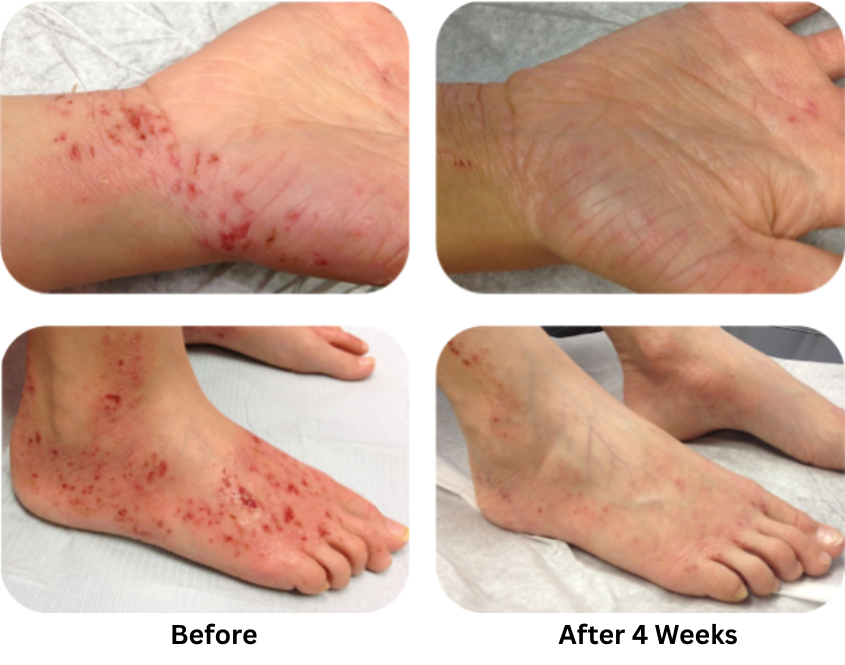
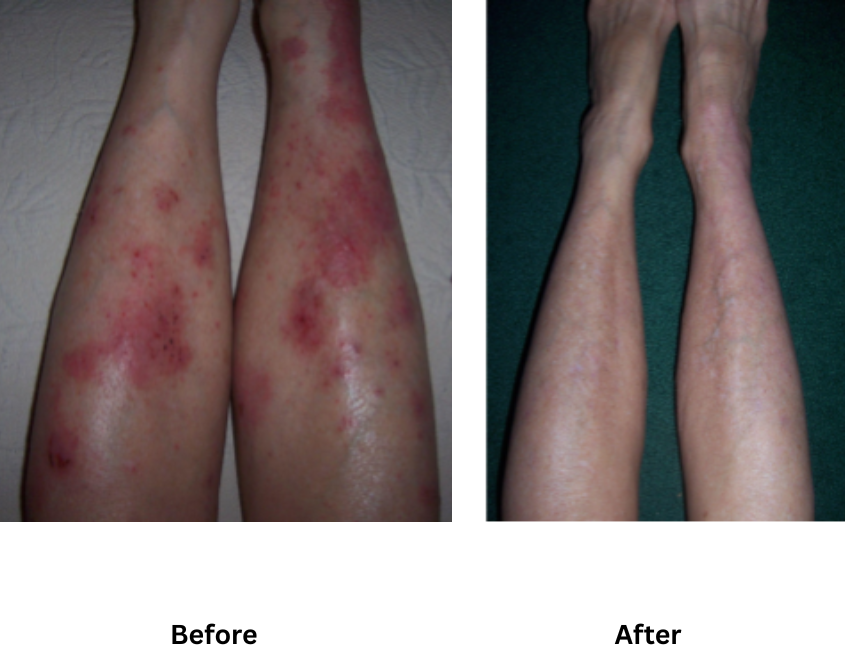
Eczema treatment focuses on repairing the skin barrier, reducing inflammation, and preventing flare-ups, with plans tailored to individual needs. Options may include prescription creams, non-steroidal treatments, moisturizers, advanced therapies for severe cases, light therapy, and simple skincare with trigger management. The goal is long-term control—not just temporary relief.
Mild Eczema (1–3 weeks)
Phase 1 (Active Flare):
1% hydrocortisone cream: 2–3x/day
Relieve & Protect ointment: 2–4x/day
Phase 2 (Maintenance):
Ceramide+ cream: 2x/day
Relieve & Protect ointment: 2x/day
Repeat Phase 1 if flare returns, then taper back to maintenance
Moderate to Severe Eczema (12+ weeks)
Phase 1 (Active Flare):
TrueCider serum: 2x/day or vinegar baths
Steroid cream + Relieve & Protect ointment: 2x/day
Ceramide+ cream + ointment: 2x/day
Phase 2 (Maintenance):
TrueCider serum: 2x/day or vinegar baths
Ceramide+ cream: 2–4x/day
Relieve & Protect ointment: 2–4x/day
Reapply steroid during flares, then taper to maintenance
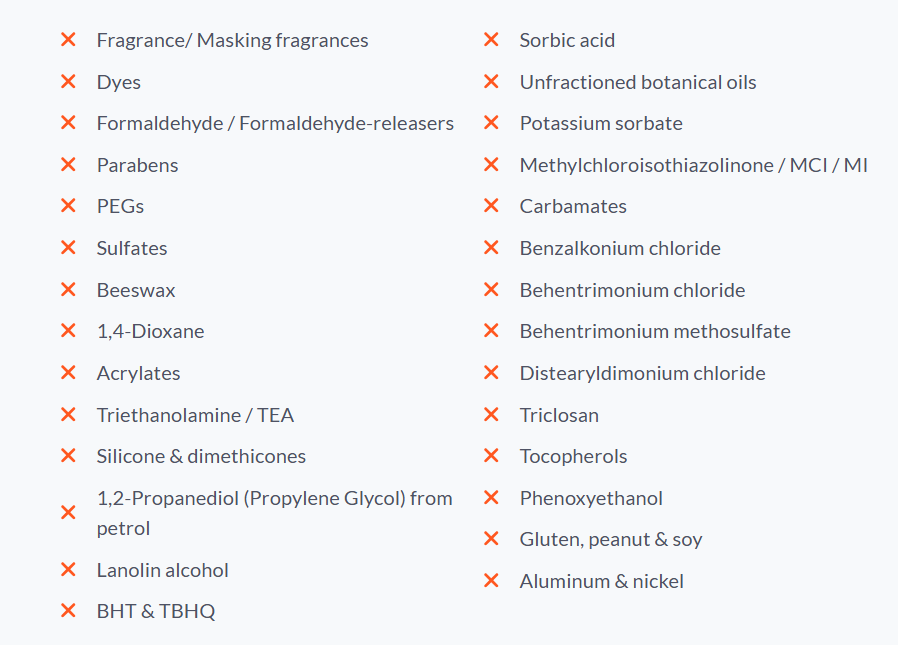
Are your everyday skincare products triggering eczema or causing skin irritation?
Everyday skincare products can sometimes trigger eczema or irritation—even those labeled “gentle” or “for sensitive skin.” Common culprits include fragrances, preservatives, and harsh cleansers, which can lead to itching, redness, and rashes. Identifying and avoiding these ingredients is an important step in protecting the skin barrier and managing eczema
What Soaps Are Safe for Eczema?
If you have eczema, use gentle, pH-balanced cleansers to avoid drying and irritation. Traditional soaps can be too harsh and damage the skin barrier. Keep showers short, use lukewarm water, and only apply cleanser to areas like the underarms, groin, feet, or visibly dirty skin.
Avoid harsh ingredients like SLS, ALS, and other strong cleansers, as well as CAPB and cocamide DEA. Even some “mild” cleansers can still be drying for sensitive skin. Instead, choose gentle options that help protect the skin barrier. Moisturize right after bathing to lock in hydration—this is key to controlling eczema. Mild products like Dove Beauty Bar may be better tolerated, but very sensitive skin may need even gentler cleansers.
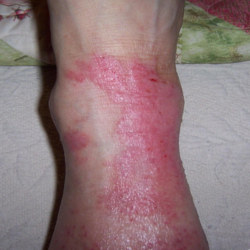
Severe Atopic Dermatitis